
By Becky Helmuth, incoming conference moderator
At the center of this year’s Summer Fest was not a new strategic initiative, a denominational debate, or even a set of polished proposals. It was a table.
Not a metaphorical table, but an actual one – set in the sanctuary of Waterford Mennonite Church, Goshen, as we gathered from across Indiana and Michigan to remember, to reflect, and to be re-formed together. On Saturday evening, as bread was broken and the cup lifted, we embodied the very theme that had carried us through two days of worship, discernment, and joyful connection: Love has no borders.
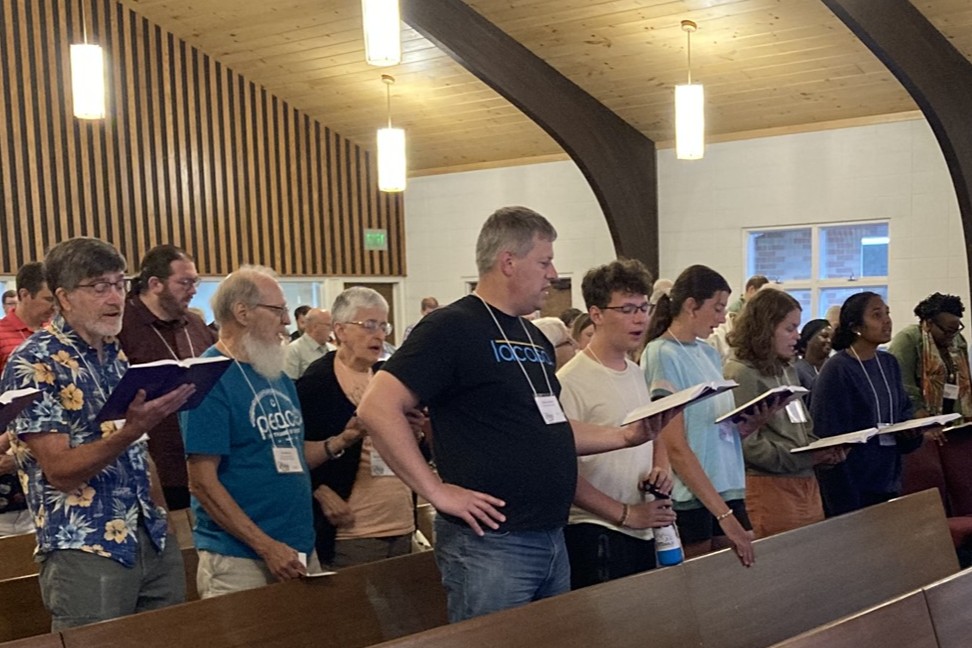
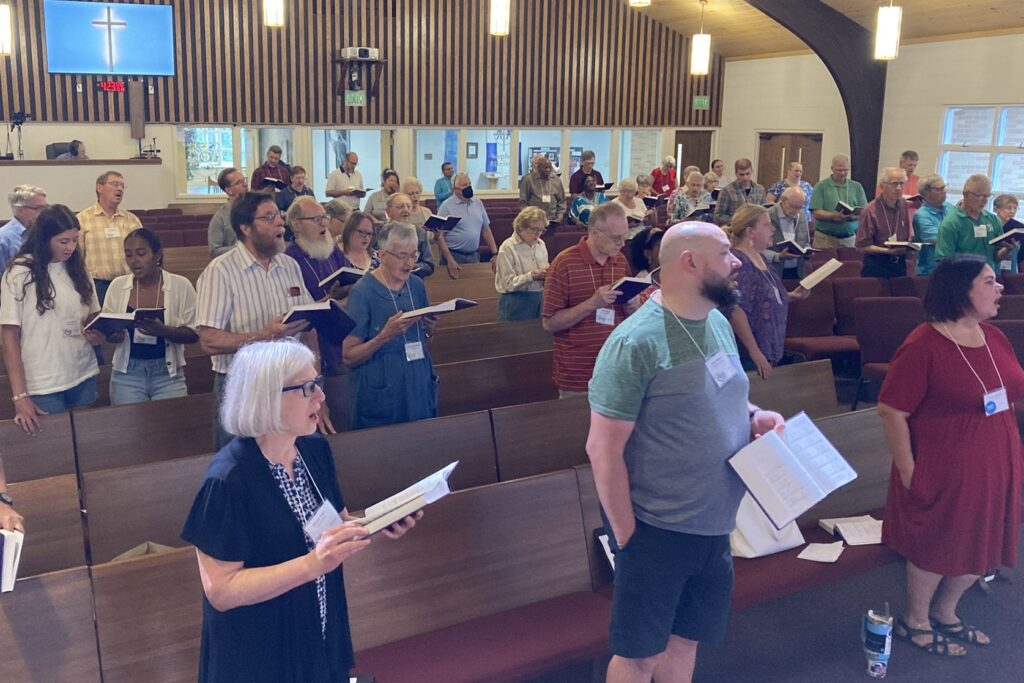
The weekend began, as so much good church life does, with song. On Friday evening, voices rose in harmony as we sang Come Away from Rush and Hurry and May You Be Rooted and Grounded in Love. These were not simply hymns but gentle imperatives – a call to slow our pace, to let go of agendas, and to make space for the Spirit.
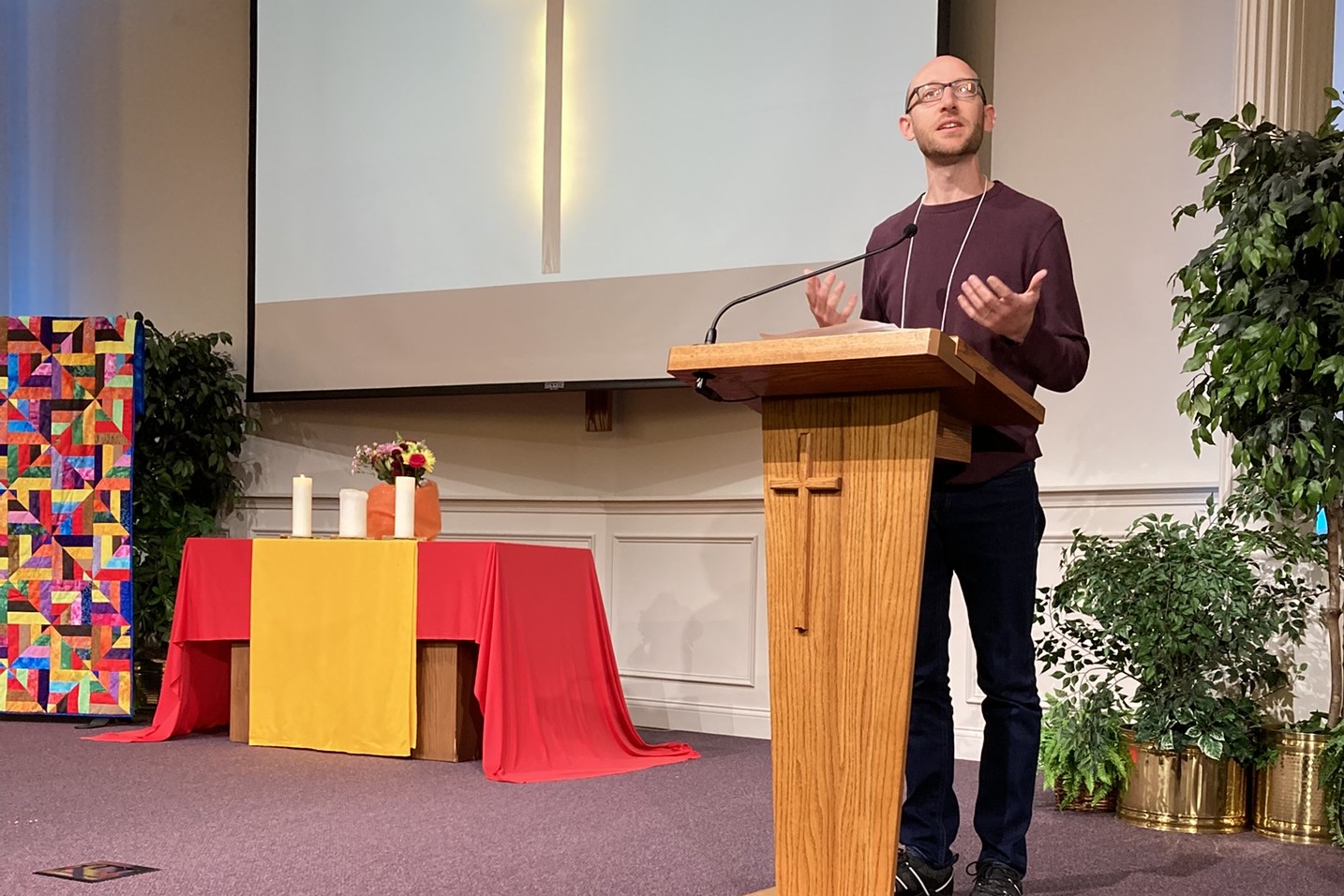
Quinn Brenneke’s sermon, Crossing Borders, Seeing Jesus, invited us to consider the incarnation as a crossing – God choosing to move toward us in vulnerability. Using Ephesians 2 as a guide, we were reminded that the dismantling of dividing walls is the ongoing work of Christ’s body. It is also the work of our conference.
That incarnational work continued Saturday morning during worship shaped by stories from the South Texas borderlands. As Cindy Voth, Katie Misz, and J.E. Misz reflected on their experiences with a Borderlands Tour through Mennonite Mission Network and the painful clarity that came with proximity, we were asked to reconsider what it means to be a community shaped by mercy, not security.
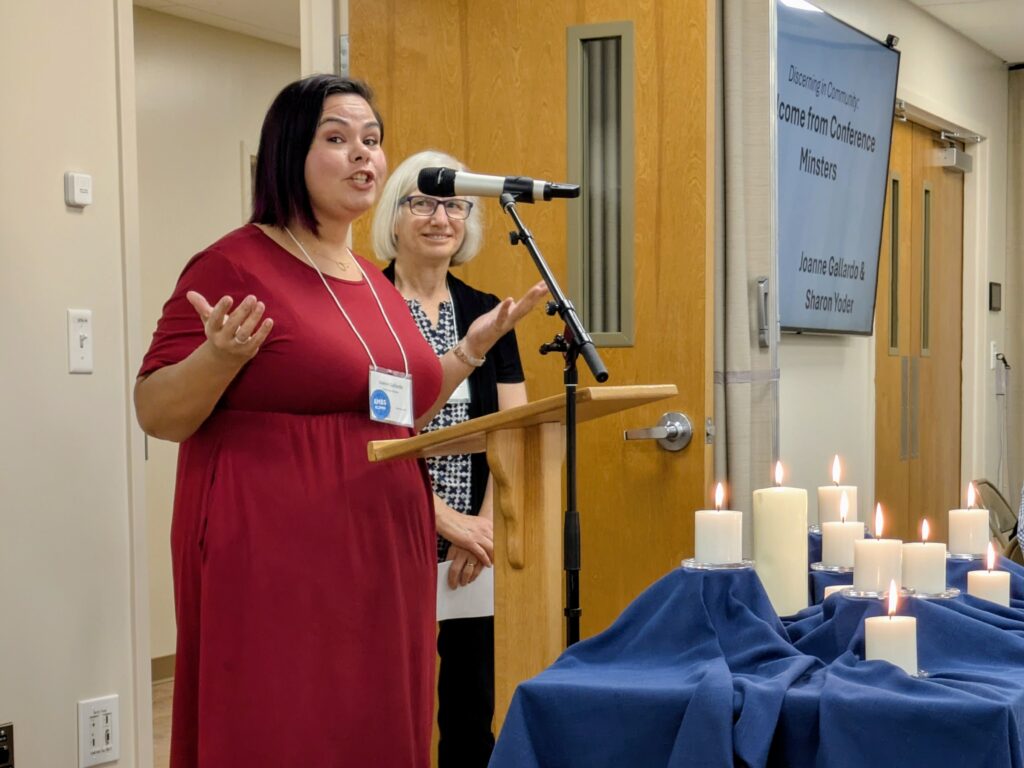
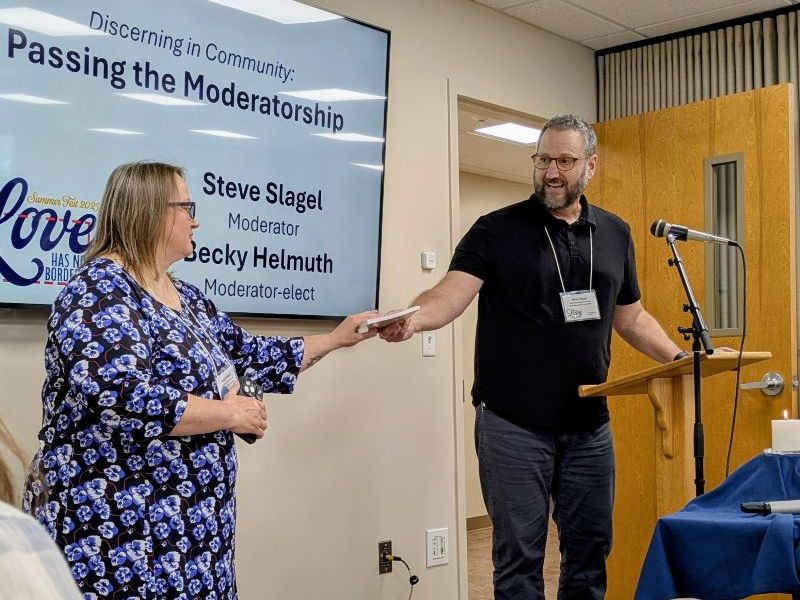
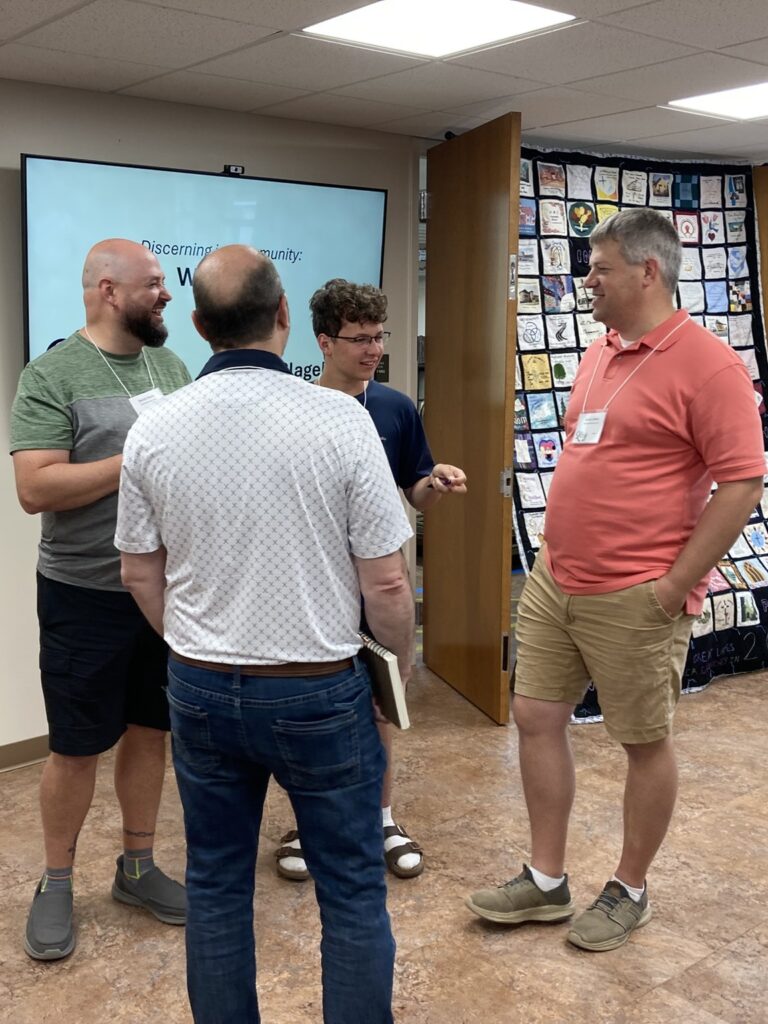
Discerning in Community through our delegate sessions was not a detour from this worshipful rhythm – it was its natural extension. Moderator Steve Slagel led us through a full agenda with both clarity and humor, reminding us that good governance is not at odds with joy. Reports were received. A spending plan was approved. The conference affirmed the slate of leaders presented by the Gifts Development Team with near unanimity.
There were questions, of course. About investment draw rates and denominational accountability fees. About giving patterns and fundraising expectations. These questions, asked in good faith, were reminders that stewardship is one of the ways we love our community. That budgets are theological documents, too.
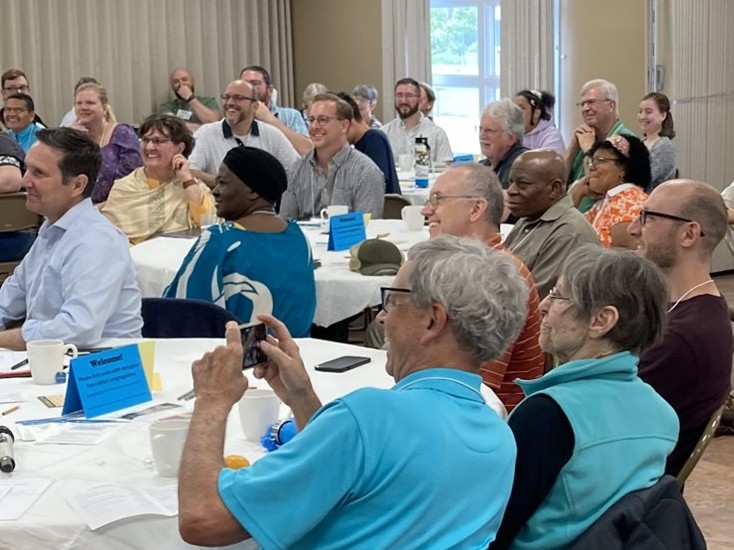
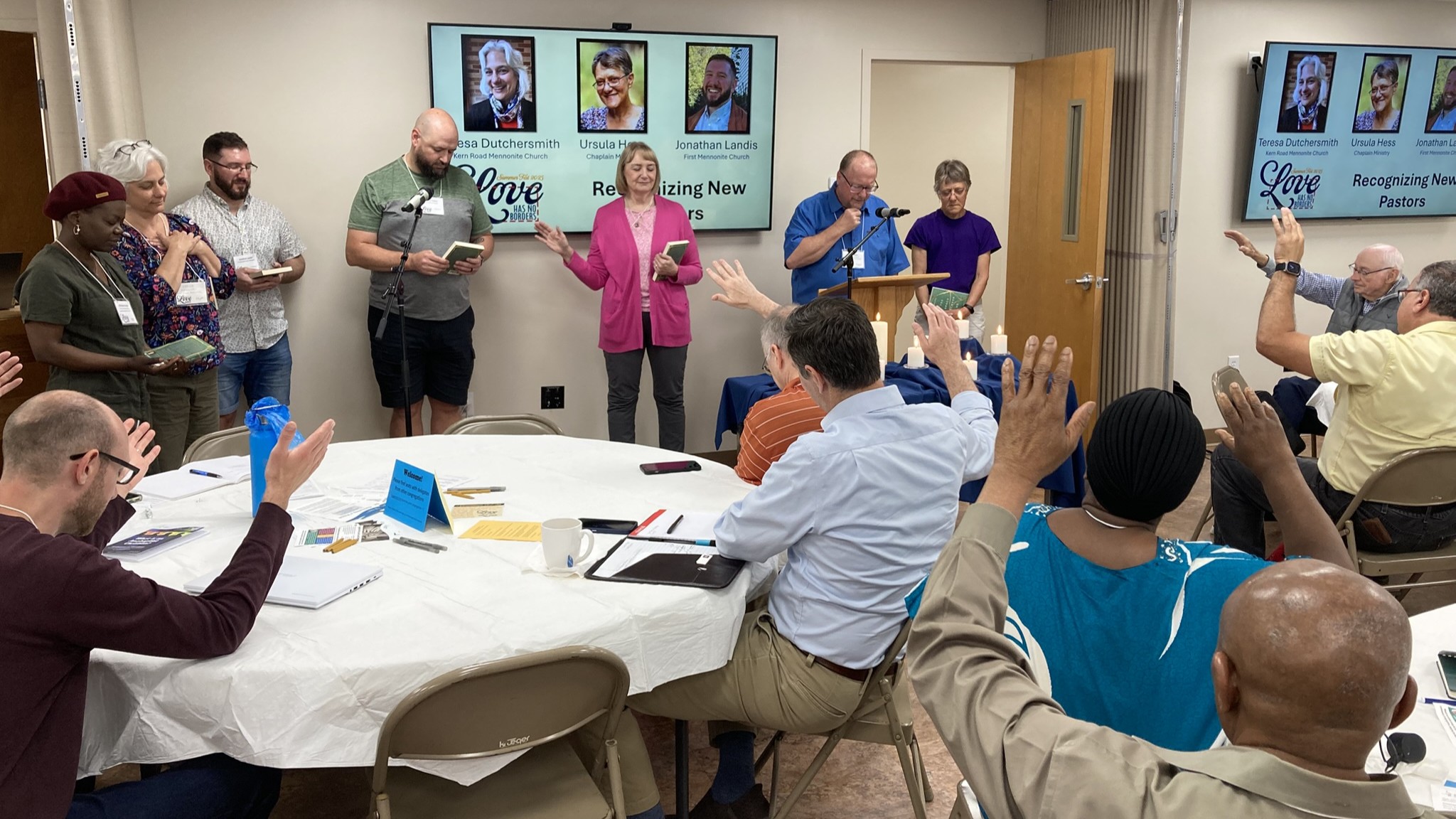
And in the middle of it all, arms were extended in blessing: over Simon and Lucy Muange as they shared an update on their ministry in Detroit and beyond; over new pastors beginning work in congregations across our conference. We prayed with our bodies – hands open, arms raised, hearts soft.
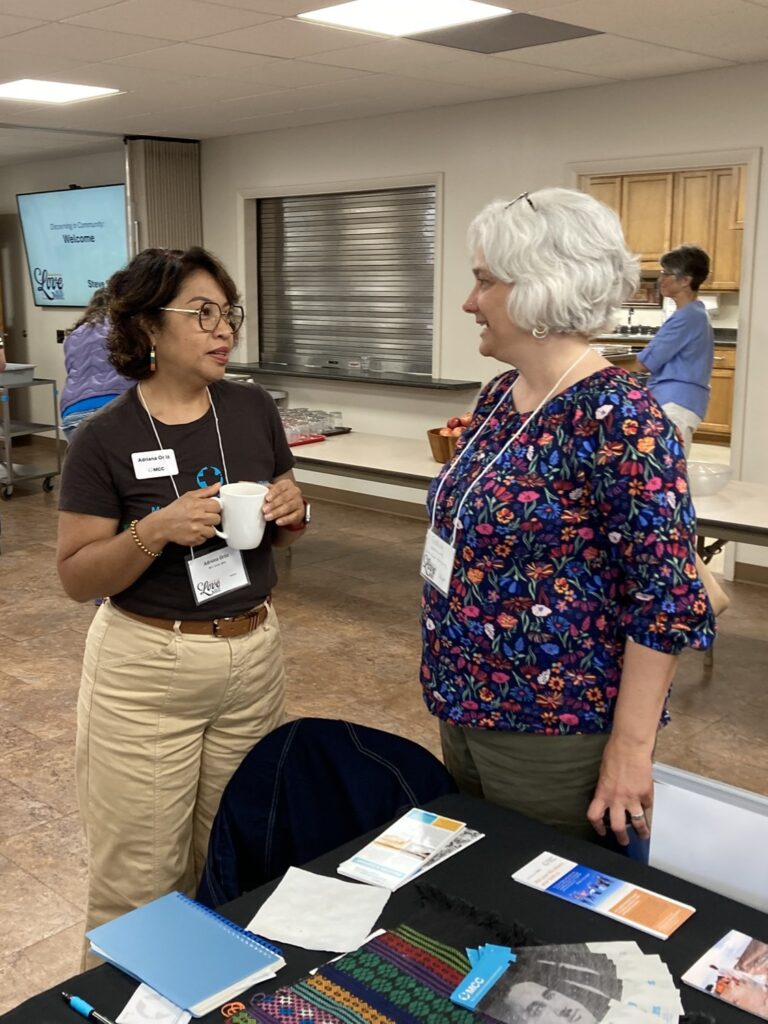
At the close of our discernment session, we entered a time of generative conversation – each table asked to reflect on what season they are in as a congregation. Some spoke of weariness, others of new energy. Around the room, people named the interwoven nature of our stories – how one church’s grief might be another’s prayer, how joy in one congregation can strengthen the others.
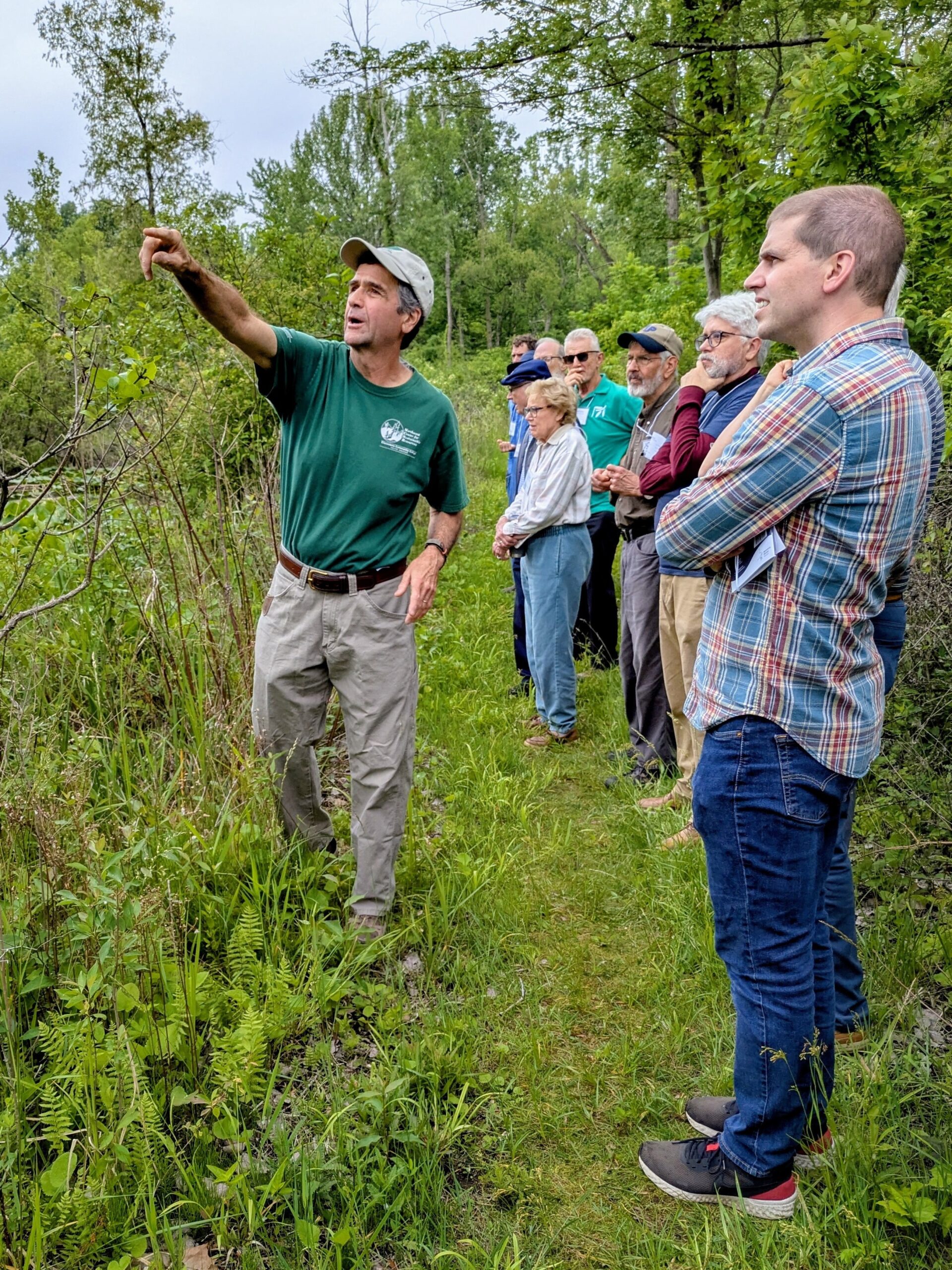
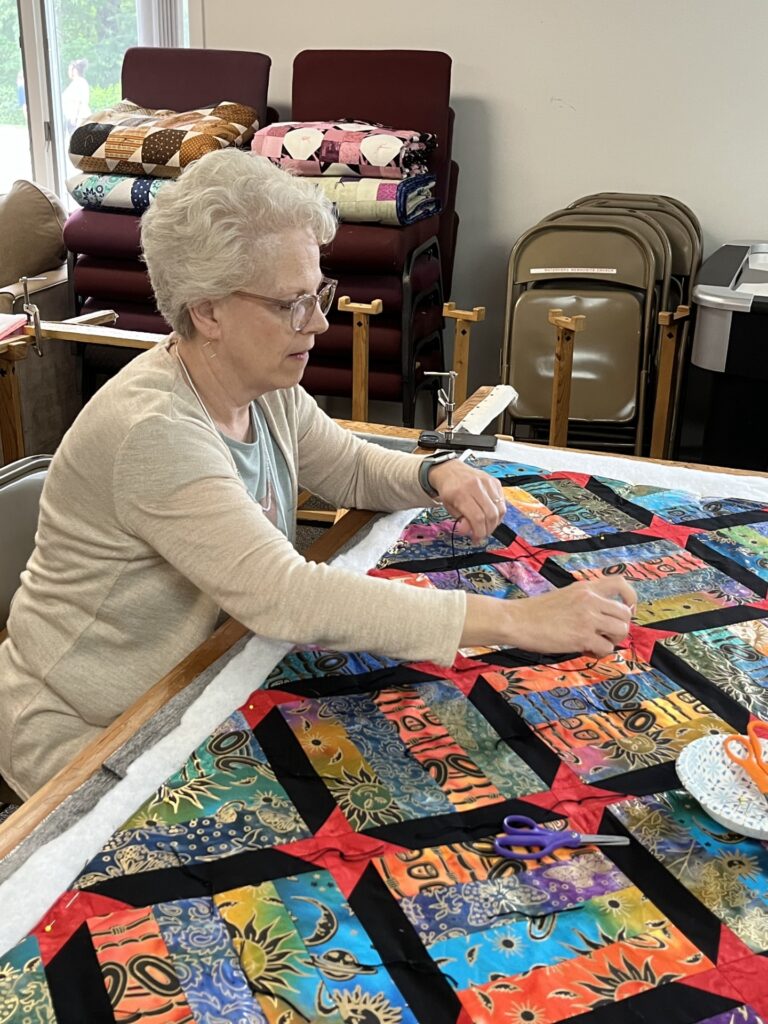
The afternoon offered time to move and rest: a wetlands walk, a hymn sing, puzzles and comforters and pickleball in the parking lot. Each activity its own kind of prayer.
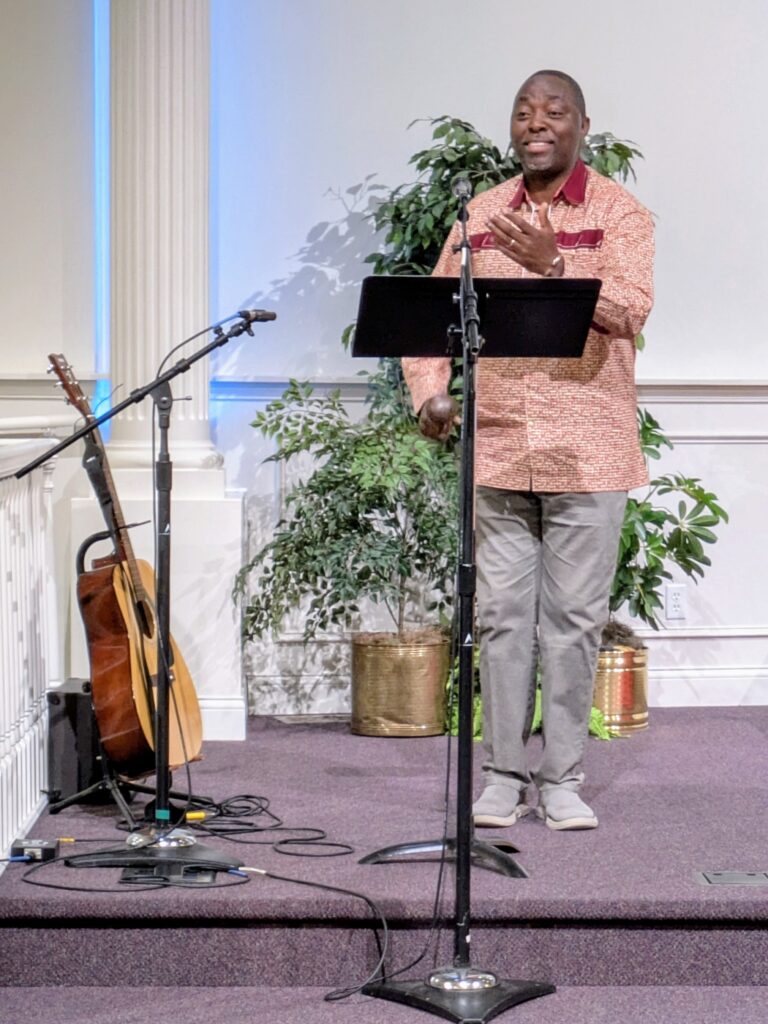
And then we returned to the sanctuary one final time. In closing worship, we sang Kombo na Yesu and Sizohamba naye, carrying with us the language and rhythms of the global church. Sharon Yoder’s sermon, rooted in 1 Corinthians 13, reminded us that the deepest kind of love is not polite affection but persistent, border-breaking solidarity. A love that risks. A love that remembers. A love that sees.
We ended where we began – with the table. And as the bread was broken and the cup lifted, we knew again what we often forget: that we are part of a body that reaches beyond buildings and counties and categories. A body that walks together. A body still being made whole. May this be our shared confession and our collective imagination:
That love has no borders.
And neither does the Spirit who binds us together.